The indoor versus outdoor debate is one of the oldest discussions in cannabis growing. Both methods produce excellent cannabis, but they differ significantly in cost, effort, control, and results. The right choice depends on your climate, budget, living situation, and what you prioritize in your final product.
Here is an honest breakdown of how indoor and outdoor growing compare across the factors that matter most.
Startup Costs
Outdoor growing is dramatically cheaper to start.
At the most basic level, you need seeds, soil, containers (or a garden bed), water, and nutrients. The sun provides the light for free, and natural airflow handles ventilation. A first-time outdoor grower can start a credible grow for $50 to $200 depending on the scale.
Indoor growing requires a significantly larger upfront investment. A basic tent setup (4x4 feet) with a decent LED light, inline fan, carbon filter, pots, soil, and nutrients runs $500 to $1,000.
Higher-end setups with premium lights and environmental controllers can easily hit $2,000 to $5,000 before you even put a seed in the ground.
The ongoing costs also differ. Indoor growing adds electricity to your monthly bills. A 4x4 tent with a modern LED light running 18 hours per day during veg and 12 hours during flower adds roughly $30 to $80 per month depending on your electricity rate and light wattage.
Outdoor growing adds almost nothing to your monthly expenses beyond water and occasional nutrient purchases.
Environmental Control
This is where indoor growing has a massive advantage. You control every variable: temperature, humidity, light intensity, light schedule, and airflow. If your plants need 75 degrees and 50 percent humidity, you set your equipment to those numbers and maintain them around the clock.
That level of control translates directly to consistency.
Indoor growers can produce nearly identical results from one grow to the next because the environment does not change. This is why commercial cannabis operations are almost always indoor. Consistency is essential for building a product that consumers can rely on.
Outdoor growers are at the mercy of weather. A heat wave, an unexpected frost, weeks of rain during flower, or a windstorm can damage or destroy a crop. You can mitigate some of these risks with greenhouses, row covers, and strategic plant placement, but you cannot control the weather. Outdoor growing inherently involves more uncertainty.
Quality and Potency
Indoor cannabis generally produces higher THC concentrations and more visually appealing flower.
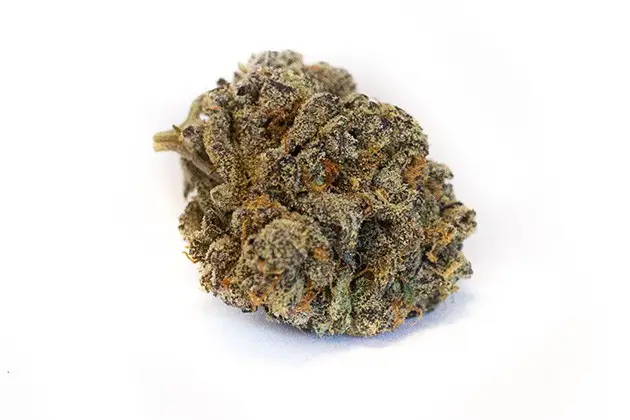
The controlled environment allows you to optimize conditions during the critical flowering period, which maximizes trichome production and resin development. Indoor buds tend to be denser, more uniformly shaped, and coated in visible trichomes.
Outdoor cannabis can be just as potent, but it is more variable. A great outdoor season with ideal conditions can produce flower that rivals indoor quality.
A bad season can produce noticeably lower-quality results. Outdoor buds tend to be larger but less dense than indoor buds, and they may have minor cosmetic imperfections from wind, rain, and sun exposure.
Where outdoor cannabis can actually surpass indoor is in terpene complexity. The full spectrum of natural sunlight, combined with temperature fluctuations between day and night, can produce a broader and more nuanced terpene profile than artificial lighting.
Many connoisseurs prefer the aroma and flavor of well-grown outdoor cannabis for this reason.
Yield
Outdoor plants can get enormous. With a long enough growing season, sufficient root space, and good genetics, a single outdoor plant can produce several pounds of flower. The plant has months of vegetative growth under full sun, which allows it to develop a massive canopy and root system.
Indoor plants are limited by the size of the grow space and the intensity of artificial lighting.
A typical 4x4 indoor tent yields 12 to 24 ounces per cycle with a good grower. You can run multiple cycles per year (typically 3 to 4), which partially offsets the smaller per-plant yields.
On a cost-per-gram basis, outdoor growing usually wins because the inputs are so much cheaper. A single outdoor plant producing 2 pounds costs a fraction of what 2 pounds of indoor production costs in electricity and equipment amortization.
Growing Season and Turnaround
Indoor growing happens year-round. You control the light schedule, so you decide when plants vegetate and when they flower.
Most indoor growers run 3 to 4 full cycles per year, and some run perpetual harvests with plants at different stages simultaneously.
Outdoor growing is seasonal. In most of North America, you plant in spring (May or June), the plants vegetate through summer, flowering begins naturally as days shorten in August, and harvest happens in September or October. That gives you one crop per year unless you are in a tropical climate with year-round growing conditions.
The single annual cycle means outdoor growers have one shot per year to get it right.
If something goes wrong mid-season, there is no do-over until next year. Indoor growers can experiment, adjust, and try again within months.
Security and Privacy
Indoor growing is inherently more private. The plants are inside your home, invisible to neighbors, passersby, and aerial observation. Carbon filters eliminate the smell (mostly), and the entire operation is behind closed doors.
Outdoor plants are visible and smelly.
A flowering cannabis plant is unmistakable to anyone who recognizes the plant or the smell. Privacy fencing, companion planting, and strategic garden placement help, but outdoor growing is much harder to keep completely private. In areas where growing is legal, this may not matter. In areas with nosy neighbors or ambiguous regulations, it can be a significant concern.
Theft is also a consideration for outdoor growers.
Visible plants attract attention, and ripe cannabis plants in October are targets. Indoor growing eliminates this risk entirely.
Pests and Disease
Outdoor plants are exposed to every insect, animal, and pathogen in the local environment. Spider mites, aphids, caterpillars, powdery mildew, botrytis (bud rot), deer, rabbits, and more. Managing pests outdoors is an ongoing battle throughout the season.
Indoor growing has fewer pest pressures, but it is not immune. Spider mites, fungus gnats, and powdery mildew can establish themselves in indoor environments, and the enclosed space can allow problems to spread quickly. However, the controlled environment makes it easier to spot issues early and apply treatments effectively.
Prevention is easier indoors because you control what enters the growing space. Keeping a clean grow room, quarantining new plants, and maintaining proper airflow prevents most indoor pest problems before they start.
Which Should You Choose
Choose outdoor growing if you have a private yard with good sun exposure, live in a suitable climate, have a tight budget, and are patient enough to work on a seasonal timeline. Outdoor growing is simpler, cheaper, and produces generous yields with minimal equipment.
Choose indoor growing if you want control over quality and consistency, plan to grow year-round, need privacy, or live in a climate that does not support outdoor growing. The higher startup cost pays off in precision and flexibility.
Many experienced growers do both. They run an indoor tent for consistent personal supply and grow a few outdoor plants each summer for quantity. This combination gives you the best of both worlds and keeps the hobby interesting across all seasons.