
Light spectrum directly affects how cannabis plants grow, develop, and produce flowers. Different wavelengths trigger different biological responses. Understanding which spectrums matter and when to use them gives you more control over plant development and ultimately better yields.
Blue Light (400-500nm)
Blue wavelengths promote compact, bushy vegetative growth. Plants receiving adequate blue light develop shorter internodes (the space between branches), thicker stems, and broader leaves. This is ideal during the vegetative stage when you want plants to build a strong structural foundation before flowering. Metal halide (MH) lamps and LEDs with blue-heavy spectrums are common choices for the veg phase.
Red Light (620-780nm)
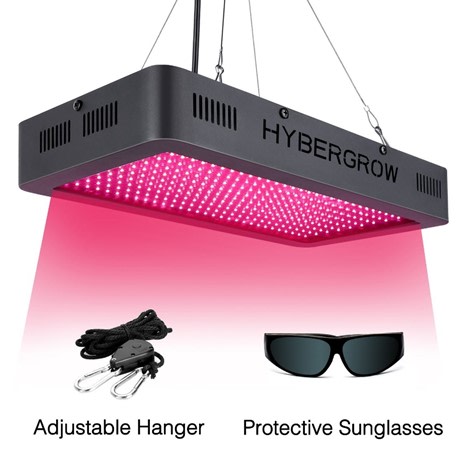
Red wavelengths drive flowering and fruit production. When cannabis plants receive more red light relative to blue, they stretch taller and begin producing flowers. High-pressure sodium (HPS) lamps are red-heavy, which is why they have been the standard for the flowering stage for decades. LEDs that shift to a red-dominant spectrum during flower simulate the natural shift toward longer wavelengths that occurs as seasons change.
Full-Spectrum LEDs
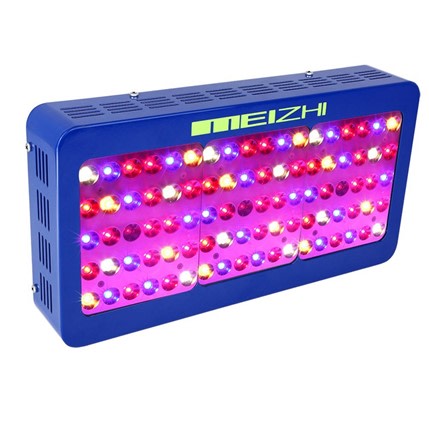
Modern full-spectrum LED grow lights include a blend of blue, red, white, and sometimes UV and far-red wavelengths. These panels work from seed to harvest without needing to swap bulbs for different growth stages. The convenience factor is significant. One light does the job of two. The most advanced models allow you to adjust the spectrum ratio between veg and flower modes, giving you the flexibility to emphasize blue during veg and red during flower.
Far-Red and UV
Far-red wavelengths (730nm) influence the flowering response and can accelerate the transition to flower when used strategically. UV-B light (280-315nm) has been shown to increase trichome production, potentially improving potency. Both are supplementary wavelengths that enhance results rather than replace primary blue and red lighting. Not all growers need them, but experienced cultivators use them to fine-tune their results.
Practical Recommendations
For beginners, a quality full-spectrum LED from a reputable brand simplifies the decision. Run it from seed to harvest and focus your attention on other growing variables. As you gain experience, experiment with spectrum adjustments and supplementary wavelengths. The light spectrum is one tool among many, and mastering the basics of watering, nutrients, and environment will improve your results more than obsessing over specific wavelengths.