
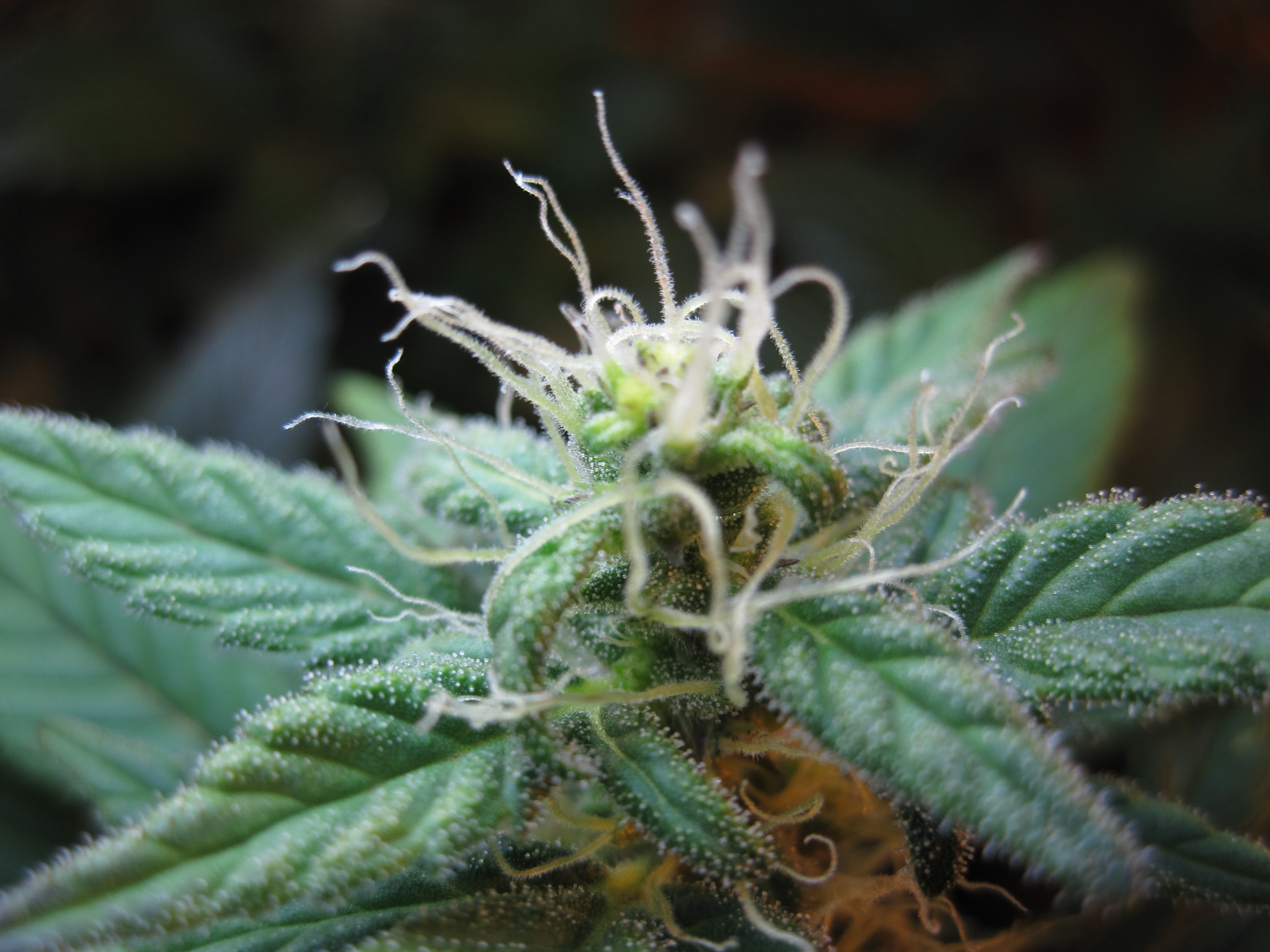
Growing cannabis in water instead of soil sounds complicated, but the basic concept is simple: you feed nutrient-rich water directly to the roots, cutting out the middleman. Plants do not have to work as hard to find food, which means faster vegetative growth and potentially larger yields. If you are willing to invest a bit more upfront and stay on top of your water chemistry, hydro is a rewarding way to grow.
Choosing Your Hydroponic System
There are several types of hydroponic systems, but for a first-time grower, Deep Water Culture (DWC) is the easiest to set up and understand.
In a DWC system, your plant sits in a net pot filled with clay pebbles, and the roots hang directly into a bucket of aerated, nutrient-rich water. An air pump keeps oxygen flowing to the roots, which prevents drowning and root rot.
Other popular options include ebb and flow (flood and drain), drip systems, and nutrient film technique (NFT). These all work, but they involve more plumbing, more potential failure points, and a steeper learning curve.
Start with DWC, learn the fundamentals, then branch out if you want.
What You Need for a Basic DWC Setup
Here is a straightforward shopping list for a single-plant DWC grow:
- A 5-gallon bucket with a lid (dark colored to block light)
- A net pot that fits into a hole cut in the lid (usually 6 inches)
- Hydroton clay pebbles to fill the net pot
- An air pump and air stone (aquarium grade works fine)
- Airline tubing to connect the pump to the stone
- Hydroponic nutrients (a three-part system like General Hydroponics Flora series is a reliable starting point)
- A pH meter and pH up/down solutions
- A TDS or EC meter to measure nutrient concentration
- A grow light suitable for your space
You can buy pre-made DWC kits that include the bucket, net pot, air pump, and air stone for around $30 to $50.
Adding nutrients, a pH meter, and a grow light brings the total to somewhere between $150 and $300 depending on the light you choose.
Setting Up the Bucket
Cut a hole in the center of the bucket lid that matches the diameter of your net pot. The net pot should sit snugly in the hole with the bottom hanging down into the bucket. Fill the net pot with rinsed hydroton clay pebbles.
Place the air stone at the bottom of the bucket and run the airline tubing up through a small hole in the lid (or alongside the net pot) to the air pump, which stays outside the bucket.
Fill the bucket with water until the level just touches the bottom of the net pot.
Starting Your Plant
Most hydro growers start seeds in a rockwool cube or a rapid rooter plug. Once the seedling has roots poking out of the starter plug and a couple sets of true leaves, transplant it into the net pot. Nestle the starter cube among the clay pebbles so that the roots can grow down toward the water.
For the first week or two, keep the water level high enough to touch the bottom of the net pot.
As roots grow longer and reach the water on their own, you can lower the level to leave an air gap of about one to two inches between the water surface and the net pot. This air gap is critical because it gives the upper roots access to oxygen.
Nutrients and pH
Hydroponic nutrients come in liquid or powder form and are designed to dissolve completely in water, unlike soil fertilizers which can clog your system.
Follow the feeding schedule on the bottle, but start at half strength for young plants. Increase gradually as the plant matures.
pH management is non-negotiable in hydro. Your target range is 5.5 to 6.5, and you need to check it daily. Nutrient uptake changes depending on pH, so even a small drift can cause deficiency symptoms. Use pH up (potassium hydroxide) or pH down (phosphoric acid) to adjust as needed.
Small amounts go a long way.
Monitor your TDS or EC readings as well. During vegetative growth, aim for about 500 to 800 ppm (or 1.0 to 1.6 EC). During flower, you can push to 800 to 1200 ppm (1.6 to 2.4 EC). These are rough guidelines and will vary by strain.
Water Temperature and Changes
Keep your reservoir water between 65 and 72 degrees Fahrenheit. Warm water holds less dissolved oxygen and creates a breeding ground for root rot pathogens like pythium. If your grow room runs hot, consider a small aquarium chiller or use frozen water bottles to bring the temp down.
Change your reservoir water completely every seven to ten days. Top off with fresh, pH-adjusted water between changes.
When you do a full change, take the opportunity to inspect the roots. Healthy hydro roots are white and thick. Brown, slimy roots are a sign of root rot, which needs to be addressed immediately with a product like Hydroguard or a hydrogen peroxide flush.
Lighting for Hydro Grows
Hydroponic cannabis does not have any special lighting requirements compared to soil grows. The same LED, HPS, or CMH lights work.
Since hydro plants often grow faster, make sure your light is powerful enough to support the canopy as it fills in. A 200 to 300 watt LED panel is a good starting point for a single plant in a 2x4 or 3x3 tent.
Run your lights 18 hours on and 6 hours off during vegetative growth, then switch to 12/12 to trigger flowering.
Common Mistakes to Avoid
- Not checking pH daily.
This is the number one cause of problems in hydro grows.
- Letting the reservoir temperature get too warm. Invest in a thermometer for the water.
- Over-feeding nutrients. More is not better. Start low and increase only when the plant asks for it.
- Skipping water changes. Stagnant water builds up salts and pathogens.
- Using tap water without checking the baseline pH and mineral content first.
If your tap water is above 200 ppm, consider using filtered or reverse osmosis water.
Is Hydro Worth It for Beginners?
Hydro demands more attention than soil growing. You are checking water levels, pH, and nutrient strength daily instead of watering every few days. But the payoff is real. Faster growth during veg, potentially bigger yields, and a cleaner growing environment with fewer pest issues.
If you enjoy the process of dialing things in and do not mind the extra daily maintenance, DWC is a fantastic way to grow cannabis at home.